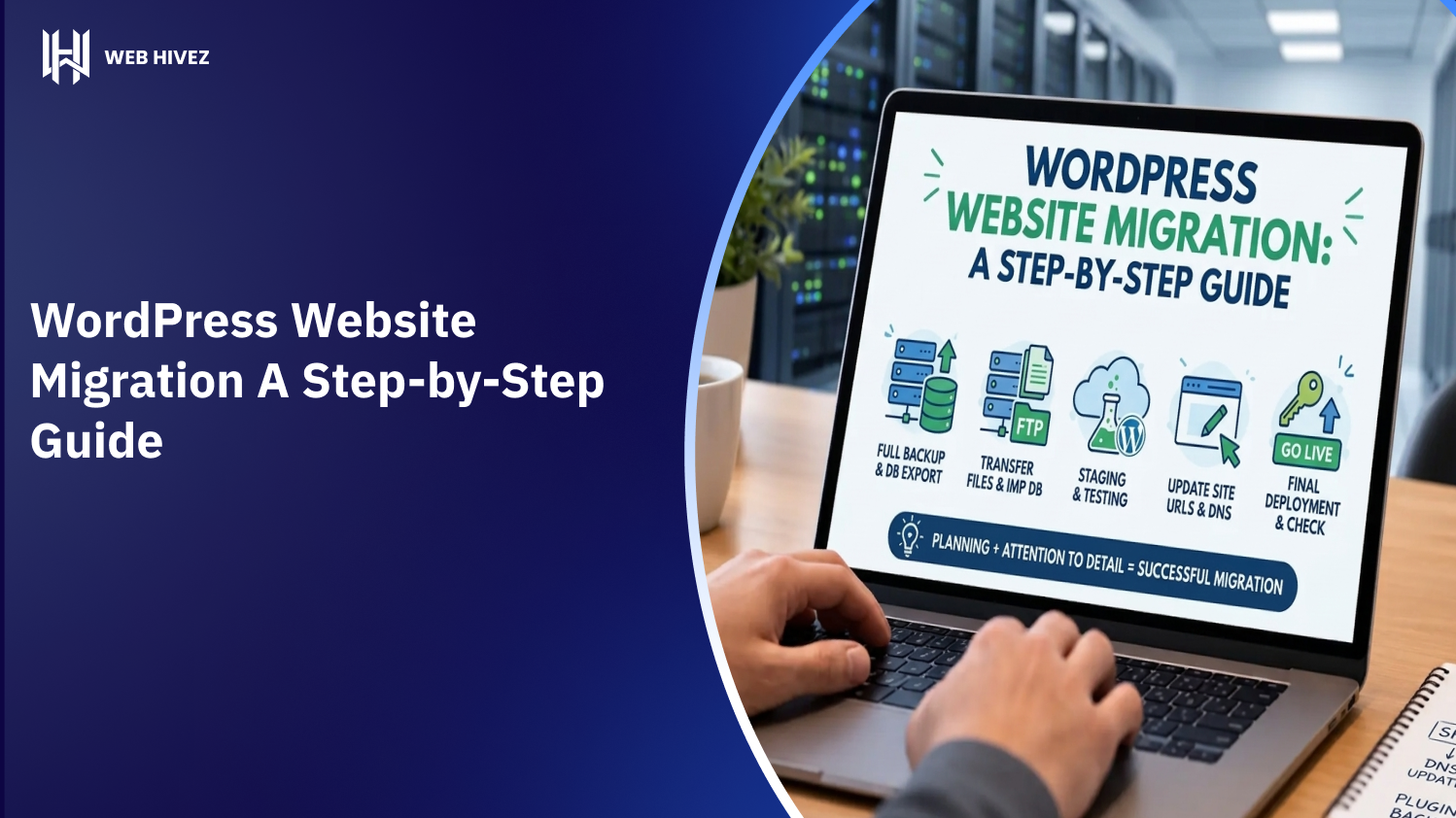
The choice between custom website design and a template seems like a cost decision. It’s actually a business performance decision — and choosing wrong costs far more than the upfront price difference.
What “Custom” Actually Means
Custom website design means your site is designed and built from scratch for your brand, audience, and conversion goals. No other business uses the same design. The code is written for your specific needs.
A template is a pre-built framework used by thousands of other websites. You change the content; the structure, code, and layout stay essentially the same.
The Real Costs of Templates
Performance: Template code includes features you’ll never use. Page speed suffers. Core Web Vitals suffer. Rankings suffer.
Limitations: When your business needs something the template wasn’t built for, you’re stuck — fighting the theme’s architecture.
Security: Popular themes are popular targets. Vulnerabilities in widely-used templates get exploited en masse.
Duplicate Design: When your site looks like thousands of others, brand differentiation is impossible at first glance.
When Templates Are Acceptable
- Personal blogs with no commercial intent
- Internal tools and prototypes
- Very small businesses with minimal digital footprint
When Custom Design Is the Right Call
Choose custom website design when:
- Your website is a primary lead generation channel
- You’re in a competitive market where differentiation matters
- You care about page speed and SEO performance
- You’re investing in long-term growth
The ROI Calculation
A $15,000 custom website converting at 4% generates significantly more revenue than a $3,000 template site converting at 1% — even accounting for the cost difference.
The Hidden Cost of “Saving Money”
Templates feel cost-effective — until they start limiting growth.
The real cost isn’t the upfront price. It’s:
-
Lost leads due to poor conversion rates
-
Lower search rankings from performance issues
-
Time spent working around limitations
-
Eventual redesign when the site no longer supports the business
What looks like savings often becomes a more expensive long-term decision.
Scalability: Where Templates Break
Templates are built for general use — not growth.
As your business evolves, you may need:
-
Custom integrations
-
Advanced functionality
-
Unique landing pages
-
Conversion-focused layouts
Templates struggle here. Custom websites are built with scalability in mind, allowing your site to grow without rebuilding from scratch.
SEO and Performance Differences
Search performance is directly tied to how your site is built.
Custom websites:
-
Load faster with clean, efficient code
-
Pass Core Web Vitals more easily
-
Offer better technical SEO control
Templates:
-
Include unnecessary scripts and features
-
Often rely on multiple plugins
-
Can create performance bottlenecks
Better performance = better rankings = more traffic.
Conversion Rate Impact
Two websites can have identical traffic — and completely different results.
Why?
Because:
-
Templates prioritize layout flexibility
-
Custom design prioritizes user behavior and conversion paths
Custom websites are built to:
-
Guide users toward action
-
Reduce friction
-
Align messaging with intent
That’s where the real ROI difference happens.
Maintenance and Long-Term Control
Templates often depend on:
-
Third-party theme developers
-
Plugin ecosystems
-
Frequent updates that can break functionality
Custom websites give you:
-
Full control over your codebase
-
Fewer dependencies
-
More predictable maintenance
This reduces risk and increases stability over time.
Hybrid Approach: When It Makes Sense
In some cases, a hybrid approach works:
-
Start with a lightweight framework
-
Customize heavily for performance and UX
This balances cost and performance — but only when done correctly.
Decision Framework
Choose a template if:
-
Budget is extremely limited
-
Website is not revenue-critical
-
You need something temporary
Choose custom design if:
-
Your website drives leads or sales
-
You operate in a competitive market
-
You’re investing in long-term growth
-
Performance and SEO matter
Final Takeaway
Templates help you launch.
Custom websites help you grow.
If your website is a business asset — not just a placeholder — custom design is almost always the better investment.
Frequently Asked Questions (FAQs)
Is custom website design better than templates?
Yes, for businesses that rely on their website for leads or sales. Custom design offers better performance, flexibility, and conversion optimization.
Why are templates cheaper than custom websites?
Templates are pre-built and reused across many sites, reducing development time and cost..
Do templates hurt SEO?
They can, due to bloated code, slower load times, and limited optimization capabilities.
Can I switch from a template to a custom website later?
Yes, but it often requires a full redesign, which can cost more than starting with custom design initially.
Are templates ever a good option?
Yes, for personal projects, early-stage startups, or temporary websites with low performance requirements.