Did you know that traditional CMS platforms can limit your business’s online growth? With the rise of headless CMS, companies can now break free from these constraints and unlock new possibilities. In this article, we’ll explore the world of headless CMS and how it can benefit your business.
Table of Contents
- What is Headless CMS?
- Benefits of Headless CMS
- How Headless CMS Works
- Real-World Examples of Headless CMS
- Choosing the Right Headless CMS for Your Business
What is Headless CMS?
A headless CMS is a content management system that separates the content repository from the presentation layer. This allows developers to use their preferred programming languages and frameworks to build custom applications, while still leveraging the power of a CMS.
Key Characteristics of Headless CMS
- API-first approach
- Separation of content and presentation
- Flexibility and customization
Benefits of Headless CMS
So why should your business consider using a headless CMS? Here are just a few benefits:
Improved Flexibility
With a headless CMS, you’re not limited to a specific presentation layer. This means you can use your preferred programming languages and frameworks to build custom applications.
Increased Scalability
Headless CMS platforms are designed to handle large volumes of traffic and data. This makes them ideal for businesses that expect to grow rapidly.
Enhanced Security
By separating the content repository from the presentation layer, headless CMS platforms reduce the risk of security breaches.
<td)Limited flexibility
| Traditional CMS | Headless CMS |
|---|---|
| Highly flexible | |
| Scalability issues | Highly scalable |
| Security risks | Enhanced security |
How Headless CMS Works
So how does a headless CMS actually work? Here’s a step-by-step overview:
Content Creation
Content is created and stored in the headless CMS repository.
API Integration
The headless CMS provides an API that allows developers to access and manipulate the content.
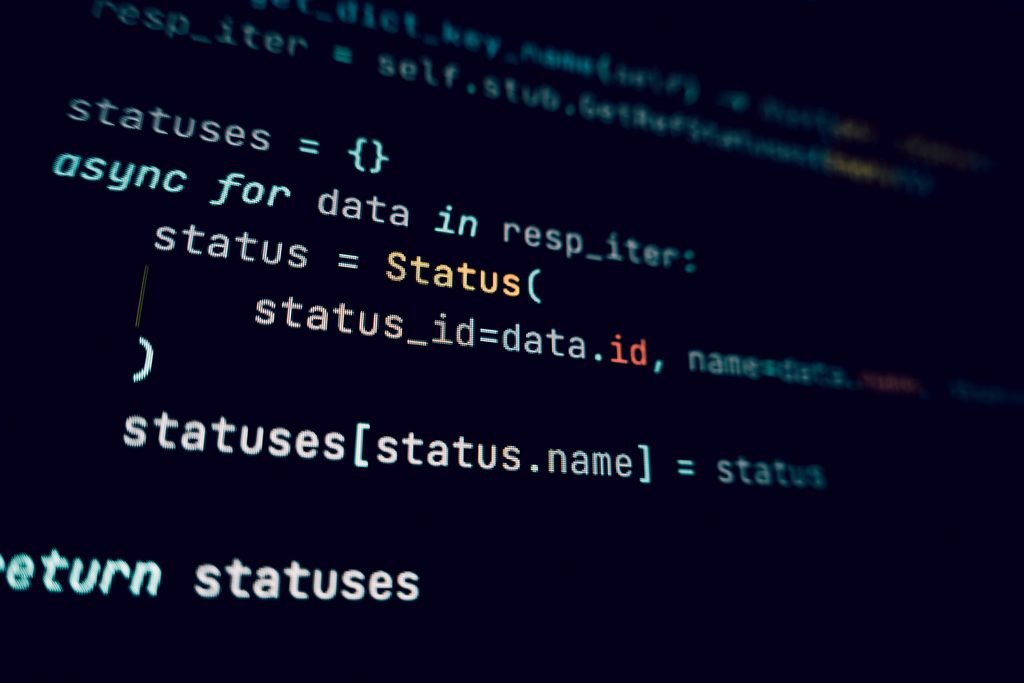
Custom Application Development
Developers use their preferred programming languages and frameworks to build custom applications that interact with the headless CMS API.
At WebHivez, we offer Custom Website Development Services that can help you leverage the power of headless CMS. Our team of experts can help you design and develop a custom application that meets your unique business needs.
For more information on headless CMS, check out this article from Smashing Magazine.
The Shift to Headless: Why It Matters in 2026
Traditional CMS platforms were built for a simpler web — one website, one frontend, one experience.
But today’s users interact with brands across:
- Websites
- Mobile apps
- E-commerce platforms
- Smart devices
- Digital kiosks
A traditional CMS struggles to support this ecosystem. That’s where headless CMS changes the game.
What is Headless CMS? (Simple Explanation)
A headless CMS removes the “head” (frontend) and focuses purely on content.
Instead of controlling how your content looks, it:
- Stores content in a centralized system
- Delivers it via APIs
- Lets developers display it anywhere
Think of it like this:
- Traditional CMS = Content + Design tightly connected
- Headless CMS = Content separate, reusable everywhere
Key Advantages of Headless CMS
1. Omnichannel Content Delivery
Publish content across multiple platforms from a single source:
- Website
- Mobile app
- Smart devices
- Digital displays
This ensures consistency and efficiency.
2. Developer Freedom & Flexibility
Developers can use modern technologies like:
- React
- Next.js
- Vue
No restrictions from outdated CMS themes or plugins.

3. Superior Performance
Headless setups often deliver:
- Faster load times
- Better Core Web Vitals
- Improved SEO performance
Speed directly impacts user experience and conversions.
4. Scalability for Growth
Whether you’re scaling traffic or expanding to new platforms, headless CMS handles it efficiently.
Perfect for:
- Growing startups
- E-commerce businesses
- SaaS platforms
5. Stronger Security
Since the frontend is separated:
- Fewer attack surfaces
- Reduced plugin vulnerabilities
- More control over infrastructure
Choosing the Right Headless CMS
Consider these factors:
Ease of Use
Can your content team manage it easily?
API Capabilities
Does it support REST or GraphQL?
Scalability
Can it handle future growth?
Integration Options
Does it integrate with your existing tools?
Cost
Is it within your budget long-term?
Popular Headless CMS Platforms
- Contentful
- Strapi
- Sanity
- Hygraph
Each offers different strengths depending on your business needs.
Challenges of Headless CMS
It’s powerful — but not perfect.
Higher Initial Development Cost
Custom frontend requires more investment.
Requires Technical Expertise
Not beginner-friendly like WordPress.
No Built-In Frontend
Everything must be built from scratch.
How WebHivez Helps You Leverage Headless CMS
At WebHivez, we specialize in building scalable, high-performance websites using modern technologies.
Our services include:
- Headless CMS architecture planning
- Custom frontend development
- API integrations
- Performance optimization
We help businesses transition from traditional systems to future-ready digital platforms.
Final Thoughts: Is Headless CMS the Future?
Yes — for businesses that want flexibility, speed, and scalability.
Headless CMS is not just a trend — it’s a shift in how modern digital experiences are built.
If your business is growing and your current CMS feels limiting, it may be time to go headless.
Conclusion
In conclusion, headless CMS offers a powerful solution for businesses that require a high degree of flexibility and customization. By separating the content repository from the presentation layer, headless CMS platforms provide a scalable and secure way to manage content. If you’re considering using a headless CMS for your business, be sure to weigh the pros and cons carefully and choose a platform that meets your unique needs.
If you’re looking to unlock the full potential of your business’s online presence, WebHivez’s team of experts can help. Our Custom Website Development Services can help you design and develop a custom application that meets your unique business needs. Get in touch to discuss your project.
The Shift to Headless: Why It Matters in 2026
Traditional CMS platforms were built for a simpler web — one website, one frontend, one experience.
But today’s users interact with brands across:
- Websites
- Mobile apps
- E-commerce platforms
- Smart devices
- Digital kiosks
A traditional CMS struggles to support this ecosystem. That’s where headless CMS changes the game.
What is Headless CMS? (Simple Explanation)
A headless CMS removes the “head” (frontend) and focuses purely on content.
Instead of controlling how your content looks, it:
- Stores content in a centralized system
- Delivers it via APIs
- Lets developers display it anywhere
Think of it like this:
- Traditional CMS = Content + Design tightly connected
- Headless CMS = Content separate, reusable everywhere
Headless CMS vs Traditional CMS
| Feature | Traditional CMS | Headless CMS |
|---|---|---|
| Flexibility | Limited | High |
| Frontend Control | Restricted | पूर्ण control |
| Performance | Moderate | High |
| Scalability | Limited | Excellent |
| Security | Vulnerable | Strong |
How Headless CMS Works (Step-by-Step)
1. Content Creation
Content teams create and manage content in a centralized dashboard.
2. API Delivery
The CMS exposes content via REST or GraphQL APIs.
3. Frontend Development
Developers build custom frontends using modern frameworks.
4. Content Display
Content is dynamically pulled and displayed across platforms.
Real-World Use Cases
E-commerce Platforms
Deliver product data across:
- Website
- Mobile apps
- Marketplaces
SaaS Businesses
Create dynamic dashboards and personalized user experiences.
Media & Publishing
Distribute content across multiple channels instantly.
Enterprise Websites
Manage large-scale, multi-language content efficiently.
When Should You Use Headless CMS?
Headless CMS is ideal if:
- You need multi-platform content delivery
- You want better performance and speed
- You require custom frontend experiences
- You’re scaling your digital presence
It may not be necessary if:
- You run a simple blog or small website
- You don’t need advanced customization
How WebHivez Helps You Leverage Headless CMS
At WebHivez, we specialize in building scalable, high-performance websites using modern technologies.
Our services include:
- Headless CMS architecture planning
- Custom frontend development
- API integrations
- Performance optimization
We help businesses transition from traditional systems to future-ready digital platforms.
Frequently Asked Questions (FAQs)
What is the difference between a traditional CMS and a headless CMS?
A traditional CMS combines the content repository and presentation layer, while a headless CMS separates these two components. This allows for greater flexibility and customization.
Is headless CMS suitable for small businesses?
Yes, headless CMS can be suitable for small businesses that expect to grow rapidly or require a high degree of customization.
Can I use a headless CMS with my existing website?
Yes, you can use a headless CMS with your existing website. However, this may require significant development work to integrate the two systems.
How do I choose the right headless CMS for my business?
When choosing a headless CMS, consider factors such as scalability, security, and ease of use. You should also consider the level of customization and flexibility you require.
What are some common use cases for headless CMS?
Common use cases for headless CMS include building custom web applications, mobile apps, and IoT devices.